
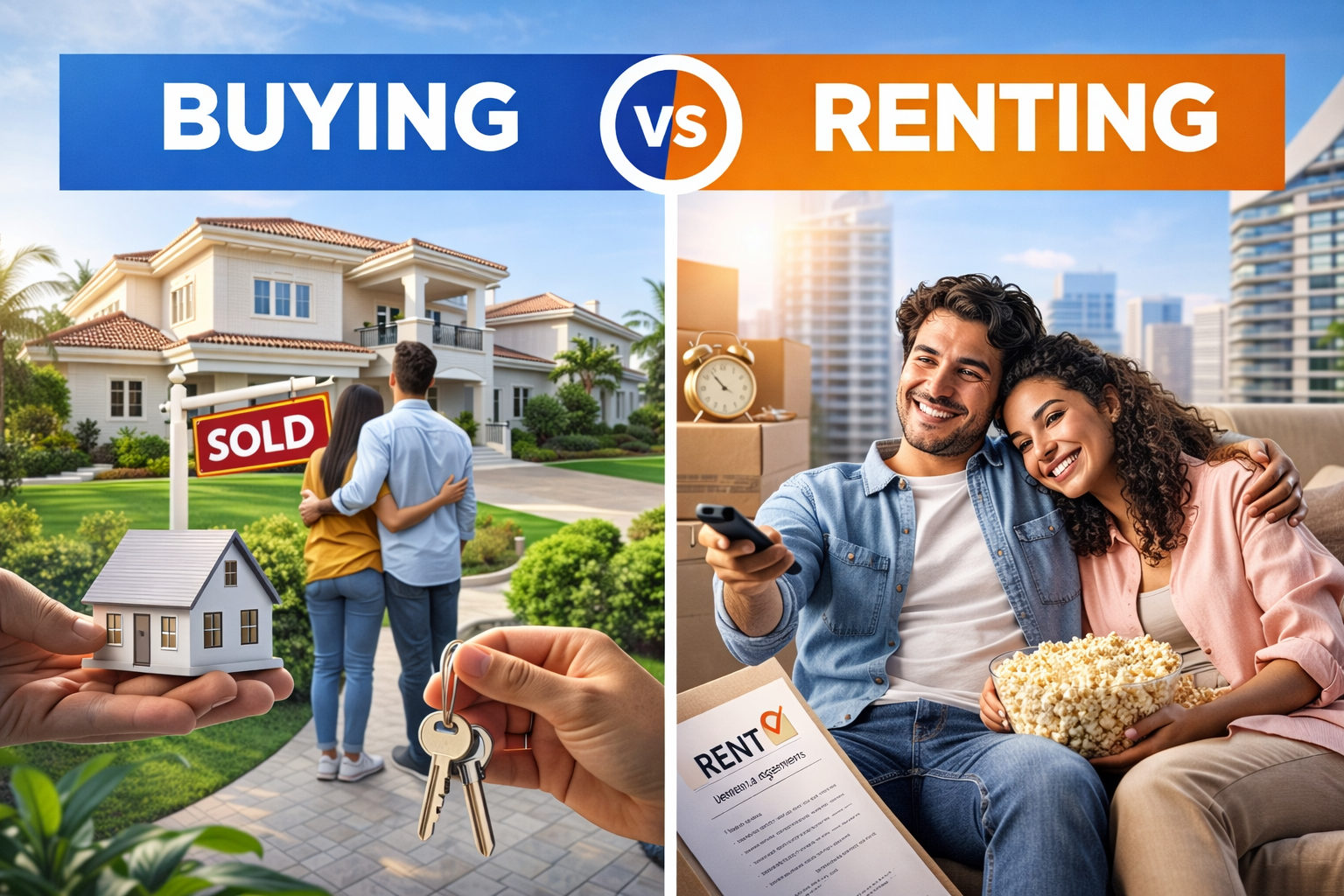
Introduction to the Housing Market in 2026
As we navigate through 2026, the housing market presents a complex landscape characterized by evolving economic conditions, fluctuating housing prices, and shifting demographic trends. Economically, this year has been marked by moderate growth, a reflection of various factors including government fiscal policies and global economic dynamics. These conditions have had a direct impact on housing demands and the overall market sentiment.
In 2026, housing prices have experienced a notable increase compared to previous years, constrained by a combination of high demand and limited supply. The real estate market is grappling with inventory shortages in many regions, which has resulted in competitive bidding situations, especially in urban areas. Potential homebuyers are keenly aware of these dynamics, as they navigate the nuances of the market where prices can often fluctuate dramatically based on location and property type.
Interest rates have also played a pivotal role in shaping the housing landscape this year. Following a period of historically low rates, the Federal Reserve has adjusted rates in response to inflationary pressures, leading to increased borrowing costs for both buyers and renters. This shift has implications for affordability, affecting not only how much individuals can borrow but also influencing their overall ability to enter the housing market, whether through buying or renting.
Additionally, demographic trends are influencing housing decisions in 2026. A notable increase in remote work culture has led younger generations to reconsider their living arrangements, often seeking more space and opting for suburban or rural locations. This has further diversified the housing market, introducing unique challenges and opportunities for potential buyers and renters alike.
Financial Considerations: Costs of Buying vs. Renting
When evaluating the financial considerations of buying versus renting a home, it is crucial to understand the various costs involved in each option. First, purchasing a property typically requires a substantial upfront investment, which includes a down payment, closing costs, and various fees associated with the transaction. This initial financial outlay can represent a significant portion of one’s savings, often ranging from 3% to 20% of the home’s purchase price, depending on the loan type and lender requirements.
Once the home is acquired, ongoing expenses become a factor. Homeowners are responsible for mortgage payments, property taxes, homeowners insurance, and routine maintenance costs. Mortgage payments generally consist of principal and interest, and property taxes can vary widely based on location and the assessed value of the home. Maintenance costs can also fluctuate depending on the age and condition of the property, leading to a constant financial commitment. In contrast, renting typically requires only a security deposit and monthly rent payments, which may be perceived as a lower financial burden in the short term.
However, it is essential to consider the long-term implications. When buying a home, individuals have the potential to build equity over time, as property value increases and mortgage balances decrease. This equity can provide financial security and act as an asset. On the other hand, rent payments do not contribute to ownership and may lead to rising costs as landlords adjust rental prices. While renting offers flexibility and reduces the likelihood of unexpected expenses, it may not provide the same long-term financial benefits as homeownership. Therefore, carefully weighing these financial implications is crucial when deciding between buying and renting in the current market.
Lifestyle Implications: Flexibility vs. Stability
When considering the decision to buy or rent a home, an individual's lifestyle implications play a crucial role. Factors such as personal circumstances, financial stability, job security, and family commitments must be taken into account. For many, the choice between homeownership and renting is deeply intertwined with these factors, influencing the degree of flexibility or stability one can pursue.
Renting often provides a level of flexibility that appeals to those with unpredictable job situations or who may need to relocate frequently. For example, young professionals or individuals in transitional phases of their lives may prefer renting, as it allows easy mobility without the long-term commitment associated with buying a home. This adaptability can be particularly beneficial for those in rapidly evolving job markets where opportunities can arise in various locations, necessitating frequent moves.
Conversely, homeownership may signify stability and security, appealing to individuals seeking to establish roots in a community. Families often consider buying a home as a means to provide a stable environment for their children. Owning a property can also be seen as an investment, allowing homeowners to build equity over time. This long-term commitment to a location affords a sense of belonging and the freedom to personalize one’s space, which can be an essential aspect for individuals prioritizing family needs.
Ultimately, the balance between flexibility and stability is a personal decision influenced by one’s current lifestyle and future aspirations. Those who value mobility may find renting to be an ideal solution, while others keen on creating a permanent home may prefer the stability of ownership. Recognizing these lifestyle implications is vital in making informed housing decisions that align with individual circumstances and preferences.
Long-term Benefits: Investment and Community Impact
The decision to buy or rent a home carries significant long-term implications, influencing not just personal finances but also community dynamics. Homeownership often represents a strategic investment; rather than paying rent that contributes to a landlord's equity, homeowners gradually build their own wealth through mortgage payments. This accumulation of equity can serve as a hedge against inflation and may contribute positively to one's financial health. As property values appreciate over time, homeowners can reap financial rewards, making buying an attractive option for those with the means.
Moreover, purchasing a home can foster a sense of stability within communities. Homeowners are often more inclined to invest in their neighborhoods, leading to enhancement in property maintenance, community services, and overall quality of life. This stability can encourage community-oriented initiatives, such as local schools and businesses, promoting a sense of belonging and civic responsibility. As homeowners contribute to community development, they create a lasting impact that benefits future generations.
However, renting offers its own set of long-term advantages, particularly in terms of flexibility. Renters can adapt more easily to changes in personal circumstances, including job relocations or changes in family size. This adaptability can lead to diverse and vibrant communities that reflect a mix of cultures and lifestyles. Additionally, since renting often requires lower upfront costs and financial commitments compared to buying, it allows individuals to allocate resources toward experiences, education, or other investments that may enrich their lives.
In the broader perspective, the choice between buying and renting should take into account not only personal financial goals but also the impact on community stability and development. Both paths offer unique opportunities to contribute to the social fabric, whether through the commitment of homeownership or the fluidity of renting. Understanding these implications can empower individuals to make informed housing decisions that align with their values and aspirations.








Join The Discussion